Carbon Fiber CFRP Sleeve Motors
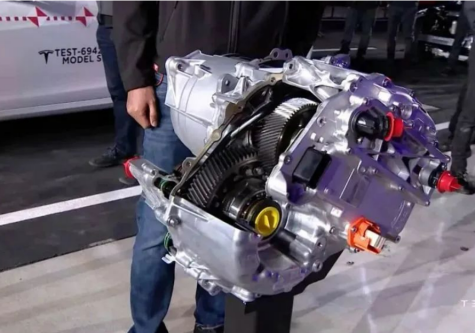
The three high-speed motors in the Tesla Model S Plaid feature a groundbreaking carbon fiber sleeve rotor, with the motor reaching speeds of up to 20,000 RPM. The higher the motor's speed, the faster the vehicle can travel
The three high-speed motors in the Tesla Model S Plaid feature a groundbreaking carbon fiber sleeve rotor, with the motor reaching speeds of up to 20,000 RPM. The higher the motor's speed, the faster the vehicle can travel. However, excessively high rotor speeds could lead to motor damage. This is why previous electric vehicles often felt lacking in power after high speeds.
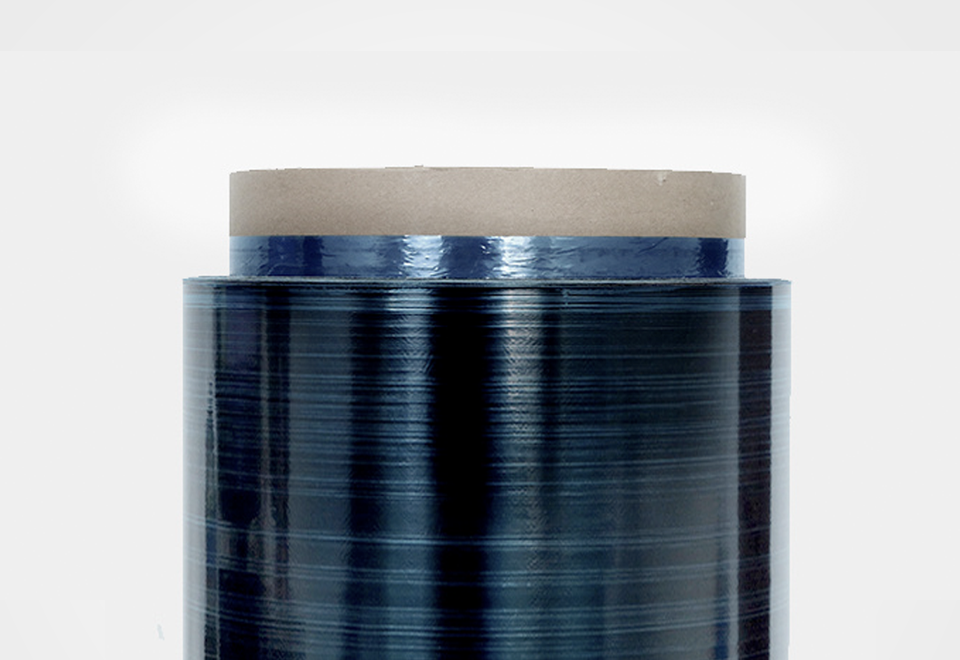
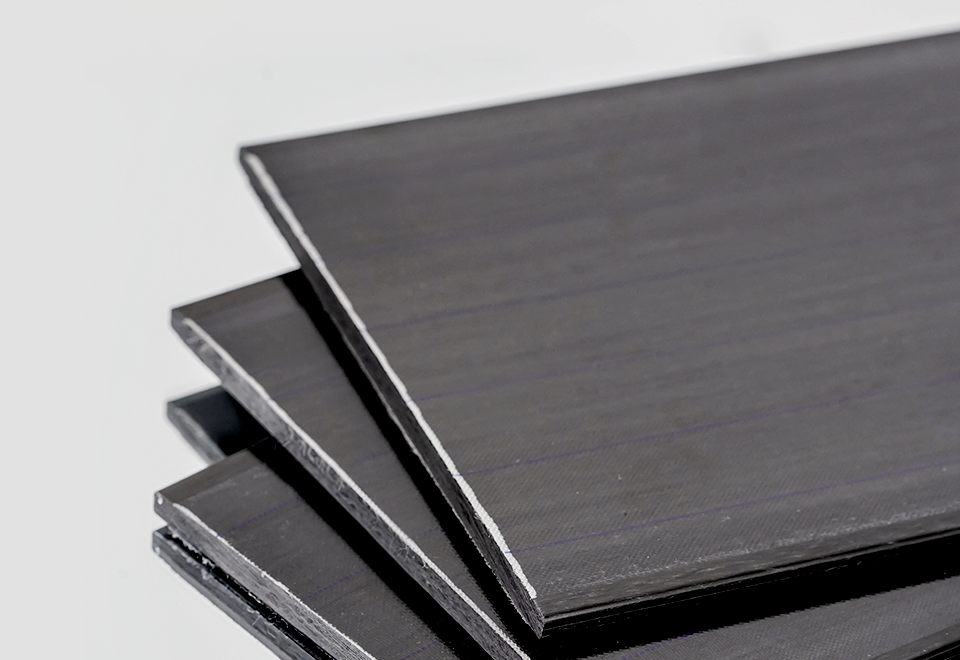
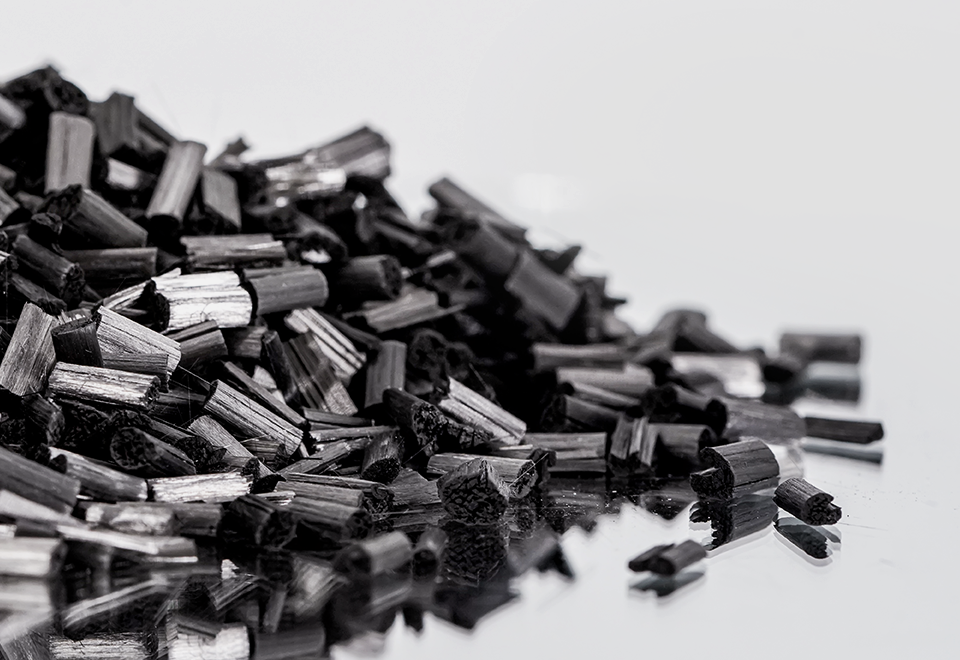
To address this challenge, Tesla added a carbon fiber sleeve to the outer layer of the rotor, creating the carbon fiber sleeve motor. The role of carbon fiber is twofold: first, it effectively reduces the rotor's temperature. A significant portion of the rotor's heat comes from the stator, and carbon fiber can reduce heat conduction, minimizing the risk of demagnetization of the magnets and centrifugal deformation at high speeds. Second, it increases the rotor's magnetic flux, allowing the motor's speed to increase, work output to grow, and efficiency to improve, all with the same input current.
ENQUIRY