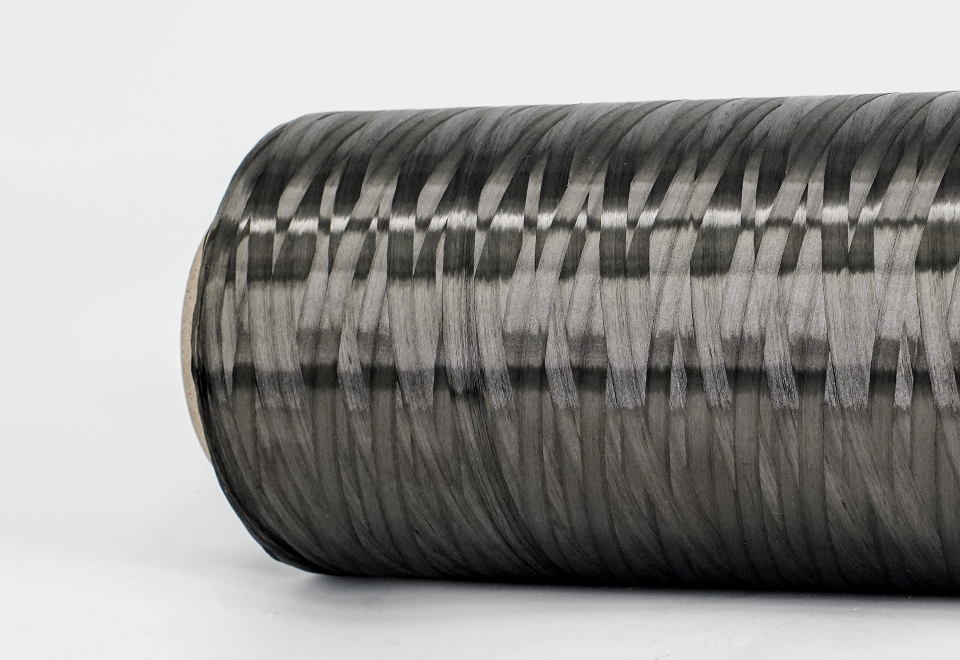
Carbon Fiber Prepreg
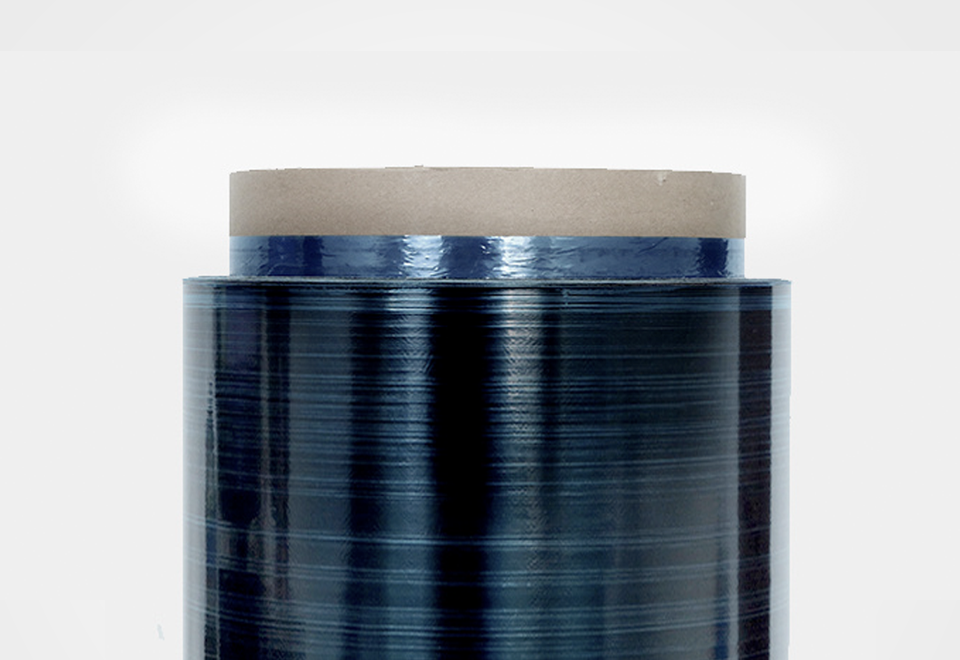
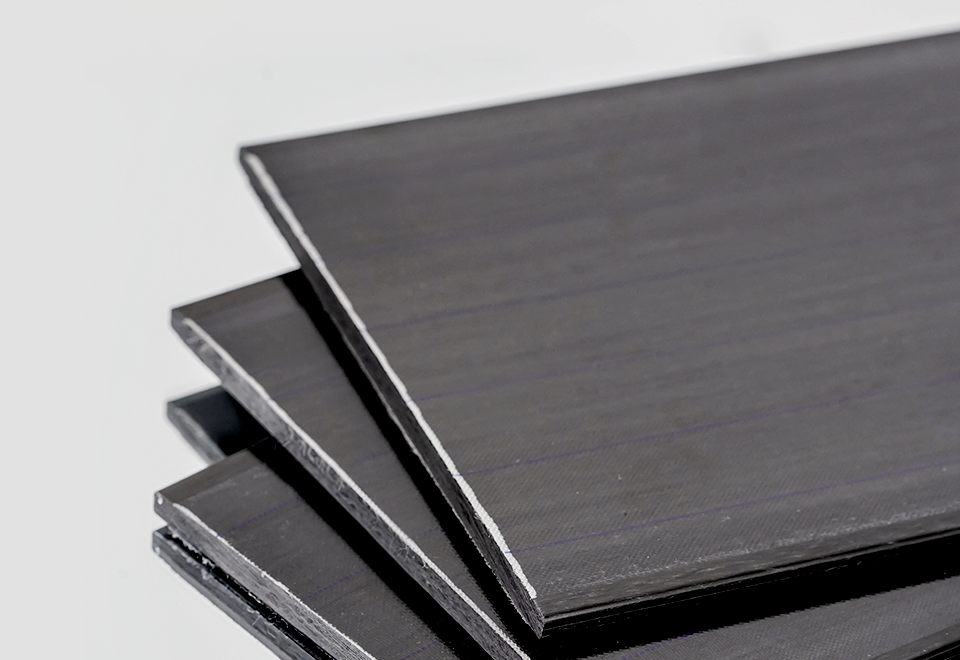
Carbon fiber prepreg is a resin matrix impregnated continuous fiber or fabric under strictly controlled conditions to make a composite of resin matrix and reinforcement, and is an intermediate material for manufacturing composite materials
Description:
1. Carbon fiber prepreg is an intermediate material for manufacturing composites, made by impregnating continuous fibers or fabrics with a resin matrix under strictly controlled conditions. 2. Some properties of the prepreg are directly transferred to the composite material and its components, forming the foundation of composite performance.
3.The processability and mechanical properties of the composite during molding depend on the characteristics of the prepreg.
The weaving methods of carbon fiber can be categorized into twill carbon fiber prepreg, unidirectional carbon fiber prepreg, plain weave carbon fiber prepreg, triaxial 0°±45° carbon fiber prepreg (diamond pattern), and others.
In twill weaving, carbon fiber yarns interlace at a certain angle (usually greater than 0° and less than 90°), forming a twill pattern. This weaving method allows twill carbon fiber prepreg to exhibit good mechanical properties in multiple directions. Unlike unidirectional carbon fiber prepreg, which has high strength mainly in one direction, the twill structure can withstand tension from different directions and offers better shear resistance. Its surface features a distinctive twill texture, providing a more aesthetically pleasing appearance in applications where visual appeal is important, such as high-end sports equipment (e.g., premium tennis rackets) or automotive interiors.
The plain weave method allows carbon fiber yarns to interlace at multiple points, making the prepreg stronger and smoother. It has a higher elongation rate when subjected to external tension and can withstand a certain level of tension in different directions, ensuring stable mechanical properties.
Application:
Aerospace Field
- Used in the manufacturing of aircraft wings, fuselages, and other structural components. Due to its high strength and low density, it reduces the weight of the aircraft while ensuring sufficient structural strength to withstand various complex stresses during flight. For example, some models of Boeing and Airbus incorporate a large amount of carbon fiber prepreg to improve fuel efficiency.
- Applied in the production of satellite support structures and solar panel substrates. The stability of carbon fiber prepreg helps maintain the structural accuracy and performance of solar panels in the space environment.
Automotive Industry
- Key components such as the body and chassis of high-performance sports cars and racing cars. For example, some supercar brands use carbon fiber prepreg to manufacture the car body, reducing weight and enhancing acceleration, handling, and fuel efficiency.
- Automotive parts like drive shafts. Compared to traditional metal materials, drive shafts made from carbon fiber prepreg are lighter, effectively reducing the vehicle’s unsprung mass and improving driving quality.
Sports Equipment
- Used in the manufacturing of advanced bicycle frames. This makes bicycles lighter and improves power transfer during riding, enhancing riding efficiency.
- Used in the production of golf clubs. The properties of carbon fiber prepreg help optimize weight distribution and striking performance, increasing shot distance and accuracy.
Industrial Field
- Used in the manufacturing of wind turbine blades. The blades of large wind turbines require good strength and fatigue resistance. Carbon fiber prepreg meets these requirements, reducing the weight of the blades and improving power generation efficiency.
- Used as a structural material for industrial equipment such as robotic arms. It provides higher stiffness and strength to ensure the stability of the robotic arm during high-precision operations.
ENQUIRY